Which of These Two Children Are You Raising?
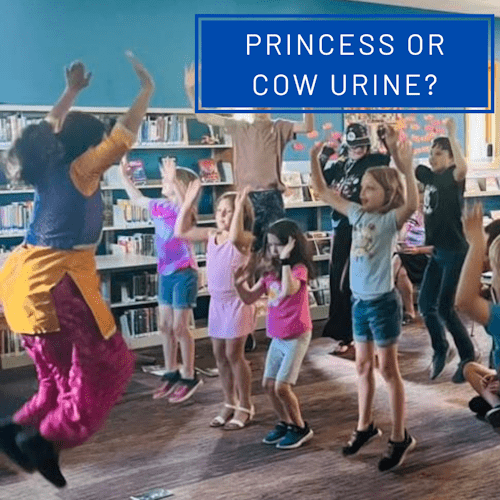
In a small rural town with no Indian residents, I walked into a local school to lead a cultural workshop. As I stepped in front of them in my Indian outfit, a little girl looked up at me with wide eyes and whispered in awe, “Is she a princess?”
Her voice carried the kind of genuine wonder that only young children have, untainted and curious. It was so heartwarming to see that even a different outfit was opening up a new world to this little one!
A week later, I was in another town with a similar demographic, presenting the same workshop. This time, I asked the students to guess a traditional Indian drink often enjoyed during festivals. Among the enthusiastic guesses came a voice, flat and rehearsed: “Cow urine,” a boy said smugly, with an expression that was daring me to react.
For a moment, I froze. Not because I didn’t know how to respond, but because I knew exactly what I was witnessing. This wasn’t an innocent guess. This was something overheard and absorbed from adults who should’ve known better. A child of that age wouldn’t use the word “urine”.
Two children. One, raised with wonder. The other, raised with bias.

I have seen both in my workshops around the country. And while it would be easy to dwell on the negativity, I choose not to. Because the truth is that kids are not born with bias. They’re taught to see the world through either a lens of curiosity or contempt. And we, parents, educators, and community members, get to decide which lens they grow up with.
The little girl who called me a princess reminded me that even in places where diversity is scarce, it is possible to expand their worldview through new experiences.
So here’s my ask to you: Raise the child who sees magic in difference. One who asks kind questions. One who listens before they laugh. Because when we teach kids to meet the unfamiliar with curiosity, we build a kinder and better world.